When Dublin faced unprecedented energy demands in 2024, city planners realized something crucial. Traditional power grids weren't built for the cities we're creating. The infrastructure that powered our grandparents' lives couldn't sustain the digital, electric, interconnected metropolises we call home.
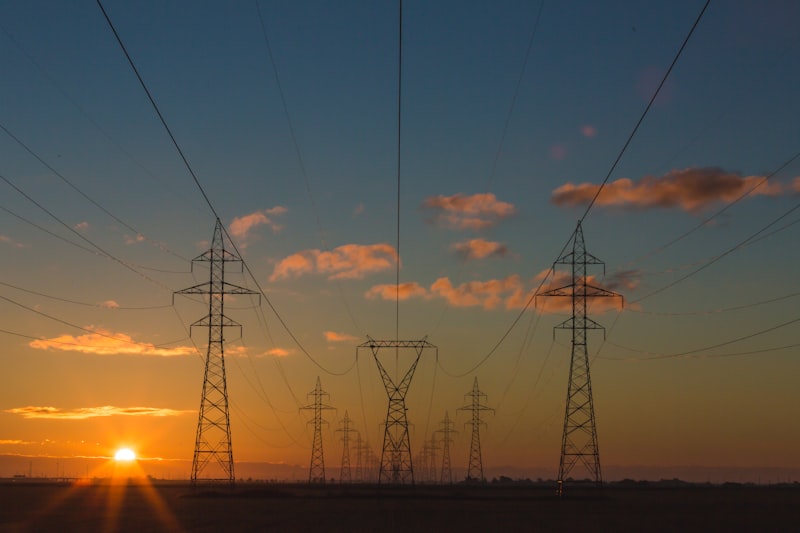
The Hidden Energy Crisis
Most urban residents never think about where their electricity originates. They flip a switch. Lights appear. Yet beneath this simple act lies a complex web of generation, distribution, and consumption that's reaching its breaking point in cities worldwide.
Consider this: the average European city consumes 40% more energy today than it did a decade ago. Electric vehicles, data centers, smart buildings—each adds strain to systems designed decades before smartphones existed. The question isn't whether we need change. It's whether we can implement it fast enough.
What Makes Urban Energy Different
Cities concentrate energy demand in ways that challenge conventional solutions. Peak loads occur simultaneously across millions of users. Distribution networks navigate dense underground corridors. And every outage affects not just homes, but hospitals, transit systems, and critical infrastructure.

Engineering Solutions for Living Cities
We approach urban energy as a living system. Not isolated components, but interconnected networks that breathe with the city's rhythm. Morning surges when millions start their day. Evening peaks as lights illuminate homes. Seasonal shifts as heating or cooling demands fluctuate.
Our work begins with understanding these patterns. Through advanced monitoring and data analysis, we map energy flows across neighborhoods, districts, entire metropolitan areas. This foundation allows us to design systems that don't just meet current needs—they anticipate future growth.
Exploring energy infrastructure for your municipality?
Review our approach to urban energy systemsBeyond Traditional Infrastructure
Smart grids represent evolution, not revolution. They build upon existing infrastructure while adding intelligence. Sensors that detect issues before failures occur. Automated systems that reroute power during peak demands. Integration points that welcome renewable sources without destabilizing the broader network.

The technology exists. Implementation requires something different: deep understanding of local conditions, regulatory landscapes, and community needs. A solution for Cork differs fundamentally from one for Galway, despite similar population sizes. Geography, climate, existing infrastructure, growth projections—each variable shapes the optimal approach.
Measured Results Across Europe
We've supported energy transitions in seventeen European cities over the past five years. The outcomes vary by location, but certain patterns emerge consistently. Cities that invest in adaptive infrastructure see reduced outage frequency by an average of 35%. Integration of renewable sources becomes viable at scale. Long-term operational costs decrease even as capacity increases.
"The infrastructure assessment revealed inefficiencies we hadn't recognized. Within eighteen months of implementation, our district reduced energy waste by 28% while improving reliability."
— Energy Director, European Capital Project
Our Service Framework
We've structured our offerings around the actual needs we've encountered across dozens of urban energy projects. Each service addresses a specific challenge cities face when modernizing their energy infrastructure.
Comprehensive Energy Infrastructure Assessment
Before designing solutions, we need clarity on existing conditions. Our assessment process maps current infrastructure, analyzes energy flow patterns, identifies bottlenecks, and projects future demand based on urban development plans. The deliverable isn't just a report—it's a strategic roadmap.
€47,500
Smart Grid Integration Planning
Transitioning from traditional to intelligent systems requires careful orchestration. We develop phased implementation plans that minimize disruption while progressively enhancing capabilities. This includes technology selection, vendor coordination, and regulatory compliance navigation.
€62,800
Renewable Energy Source Integration
Adding solar, wind, or other renewable sources to urban grids presents technical challenges. We engineer integration solutions that maintain stability while increasing renewable percentage. This covers everything from connection specifications to load balancing strategies.
€55,200
Energy Efficiency Optimization Programs
Reducing demand proves as valuable as increasing supply. Our optimization programs identify waste points across distribution networks, recommend efficiency improvements, and implement monitoring systems that maintain gains over time.
€38,900
Emergency Resilience Planning
Cities need energy systems that withstand crises. We develop resilience frameworks covering backup systems, rapid response protocols, and infrastructure hardening against climate-related risks. The goal is maintaining critical services even during severe disruptions.
€44,300
Begin Your Energy Infrastructure Project
Share your requirements and we'll respond within two business days with initial assessment options.
The information provided represents general capabilities and should not substitute for professional engineering consultation specific to your project. Actual outcomes depend on numerous site-specific variables. We recommend engaging qualified specialists for detailed assessment before proceeding with infrastructure modifications.